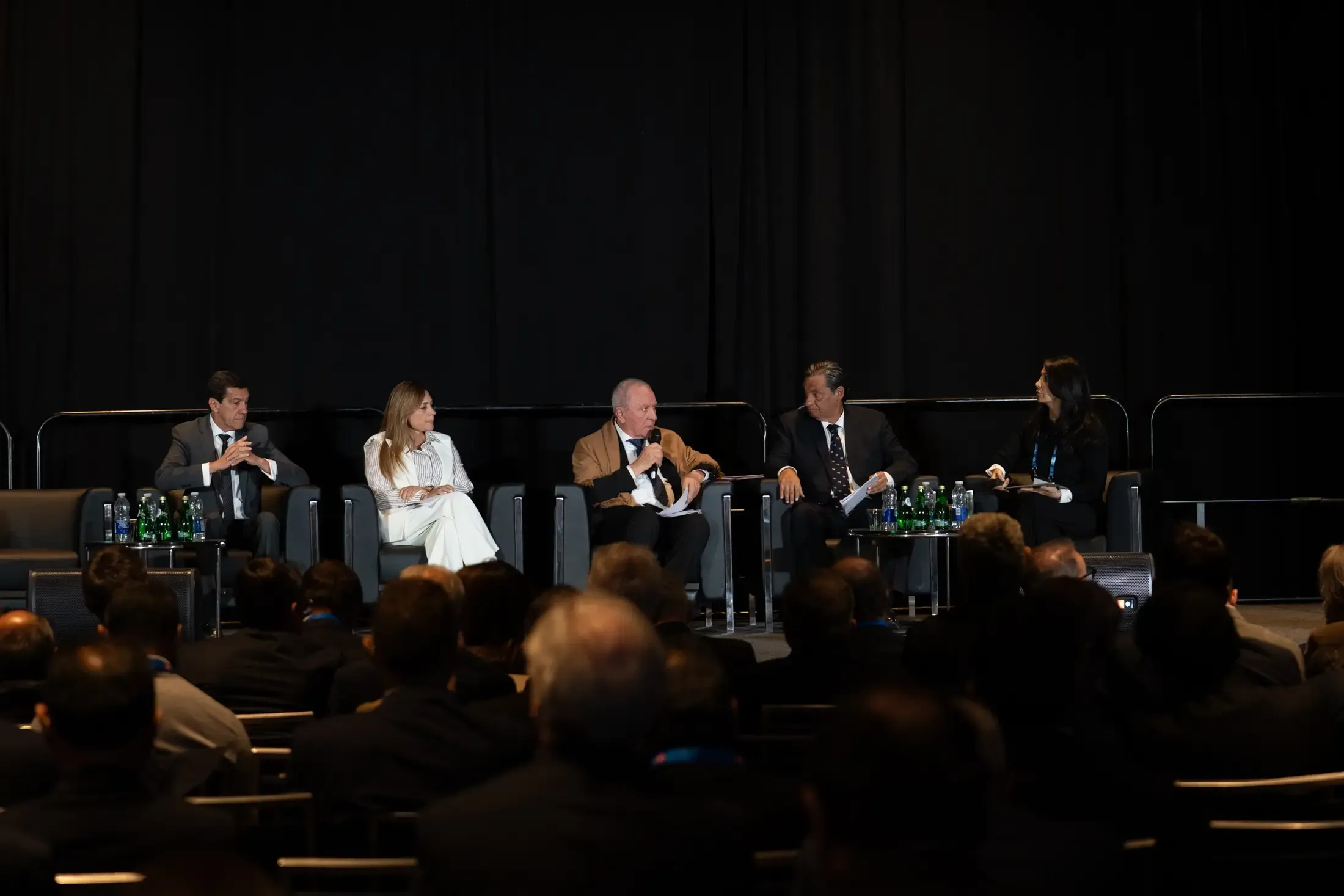
Representatives of the Executive Branches of the provinces presented the mining potential and their future perspectives. Catamarca, the momentum driven by lithium and the wait for copper; La Rioja with the intention of generating attractiveness for investments; Jujuy adding interest in the field of rare earths; and Salta in the search for infrastructure to access the Pacific Ocean.
By Panorama Minero
Catamarca – Rubén Dusso, Vice Governor
-
“Catamarca has two lithium projects underway, in addition to having four others in process, among them the MARA copper project, with an estimated investment of US$4 billion, Tres Quebradas for US$600 million, POSCO, and Sal de Oro for US$1.6 billion dollars, among others.”
-
“Almost 17 years ago, a totally participatory, open mining policy began, and mining is carried out with all the actors involved in it: workers, investors, State policies, in a responsible manner, because mining transcends governments.”
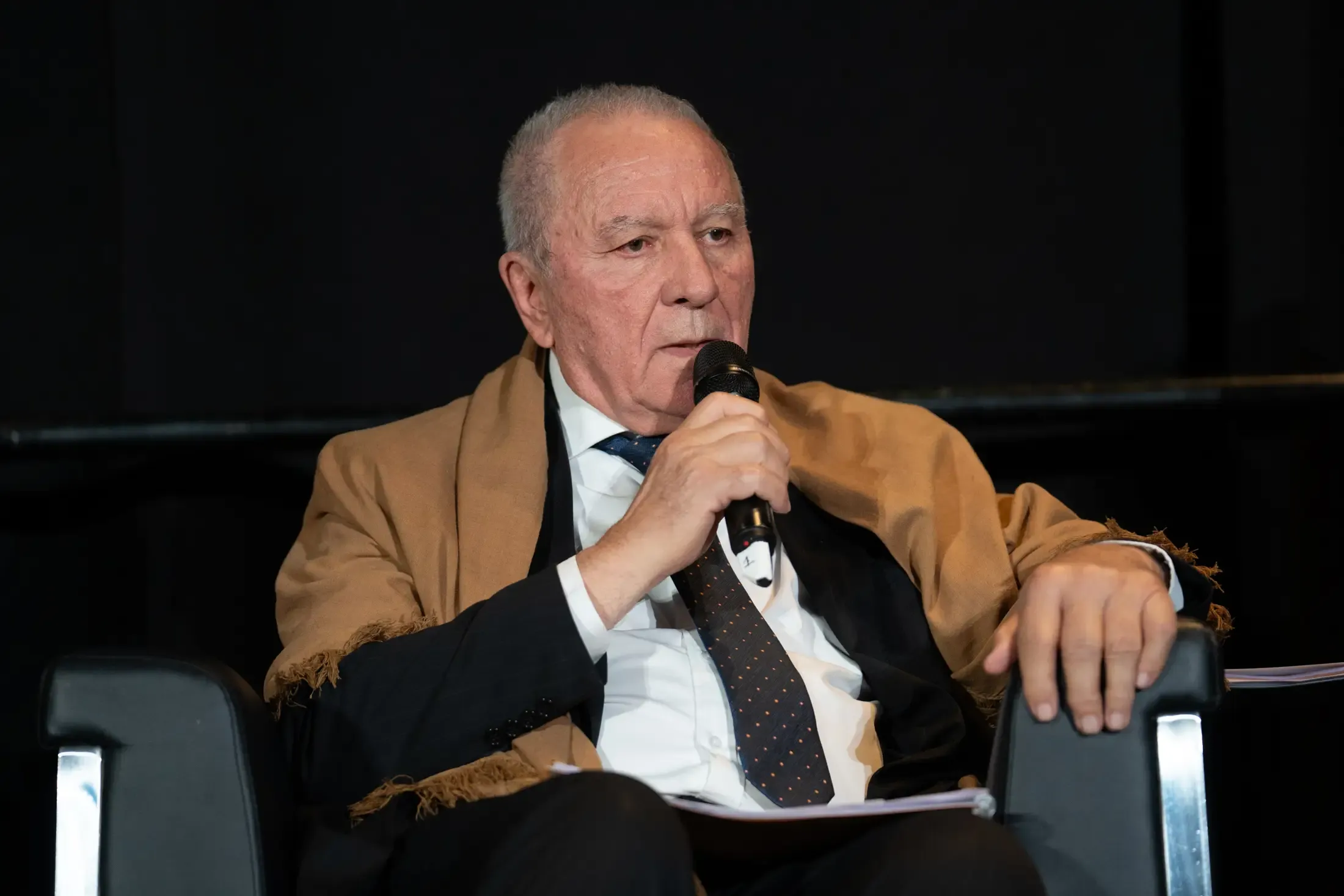
Jujuy – Carlos Sadir, Governor
-
“The public policy adopted by the national government regarding the promotion of mining is evident here at PDAC. And this has also given Jujuy a new boost.”
-
“In Jujuy we have two lithium plants that position us as the first exporting province of carbonate in Argentina, as well as the main producer.”
-
“We do not work only with lithium, but also with copper, as well as with silver from Pirquitas, Mina Aguilar, and the progress in rare earth projects.”
-
“Today, Jujuy has more than 300 highly specialized mining suppliers, of which 120 have emerged from the communities.”
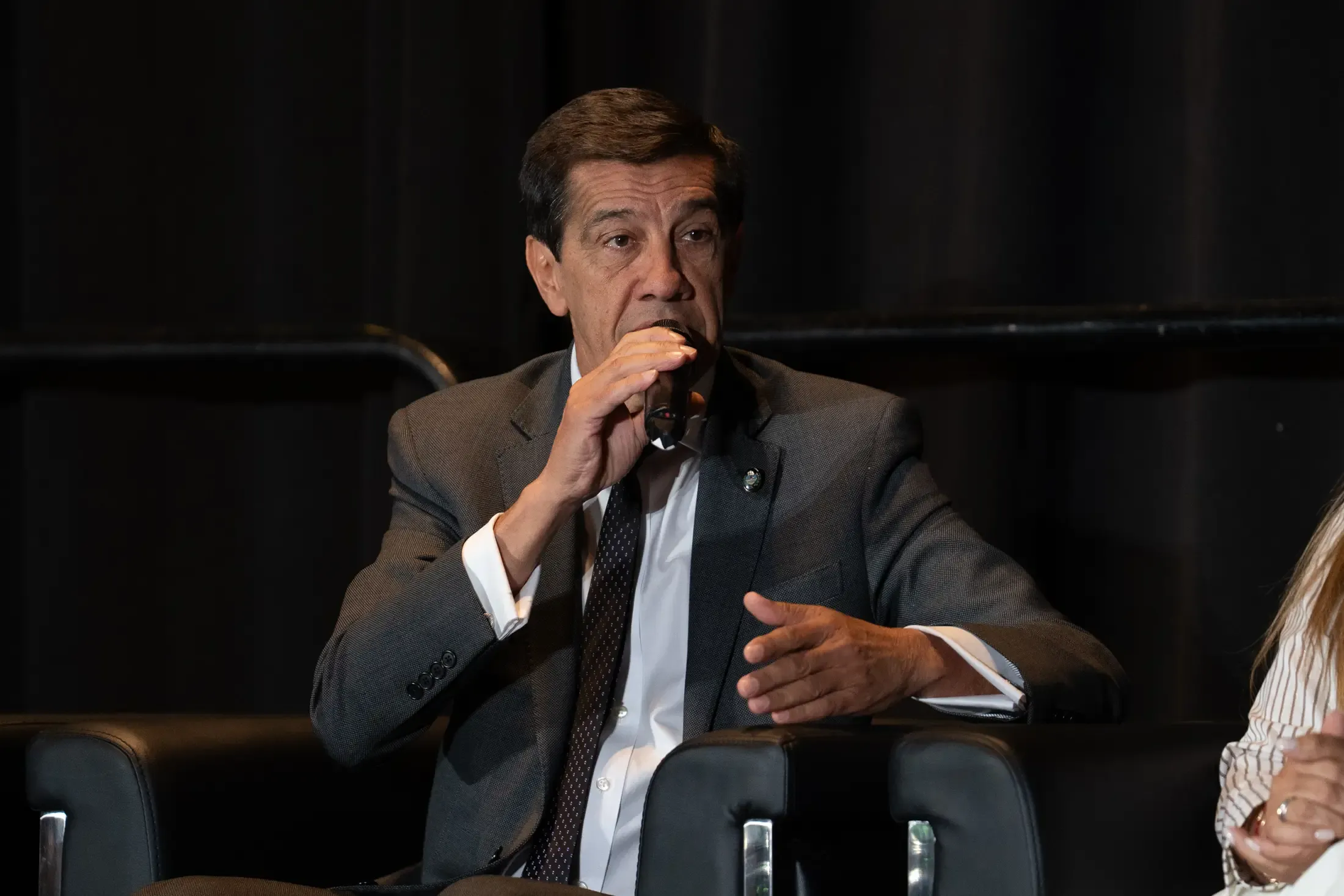
La Rioja – Teresita Madera, Vice Governor
-
“Mining is part of the government agenda, having created a Ministry of Mining and Industry as a clear message that we want to generate confidence for investments. Over these three years we have maintained constant mining activity with 18 projects that are in the prospecting stage, but 7 already in the exploration stage.”
-
“Those who decide to invest in La Rioja should see us not only as a place to explore the different minerals we have, but also as long-term strategic partners.”
-
“Perhaps what for some could be a time that we have lost, for us is a great opportunity because it allows us to make use of all the experience of other provinces. In addition to having a legal framework that provides predictability and confidence, there is a political decision for mining development to be part of the productive matrix of the province.”
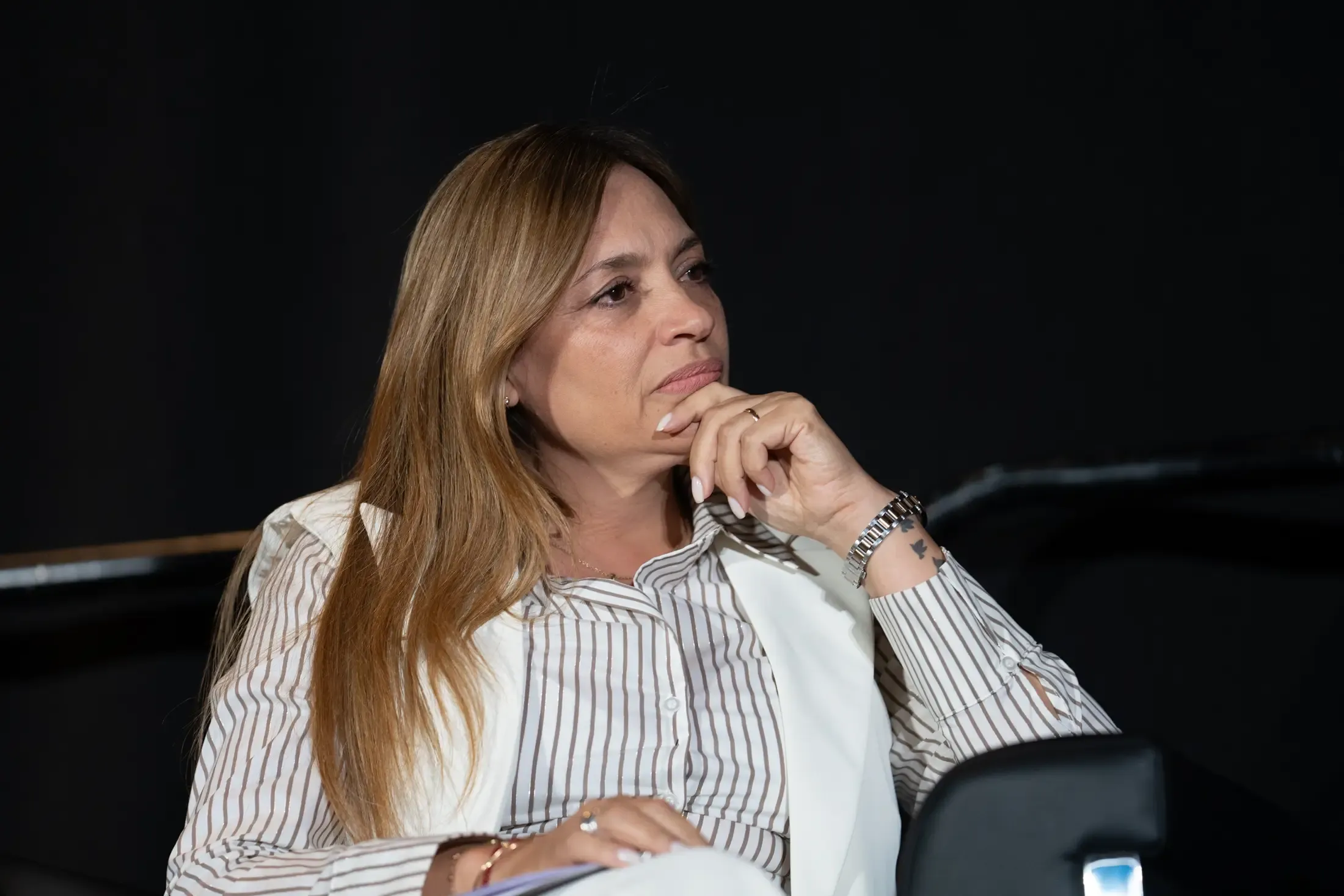
Salta – Ignacio Lupión, Minister of Production
-
“Salta is the largest producer of borates in the country: we have gold production from the Lindero mine, in addition to the four lithium plants of Ganfeng, POSCO, Eramine, and Rio Tinto.”
-
“We must be facilitators so that investment arrives in an agile manner. The indigenous communities want to be part of and integrate into this mining development.”
-
“Without access to the Pacific Ocean we do not have competitiveness; the shipment of products passing through Cape Horn requires 20 days of freight and the associated costs.”